
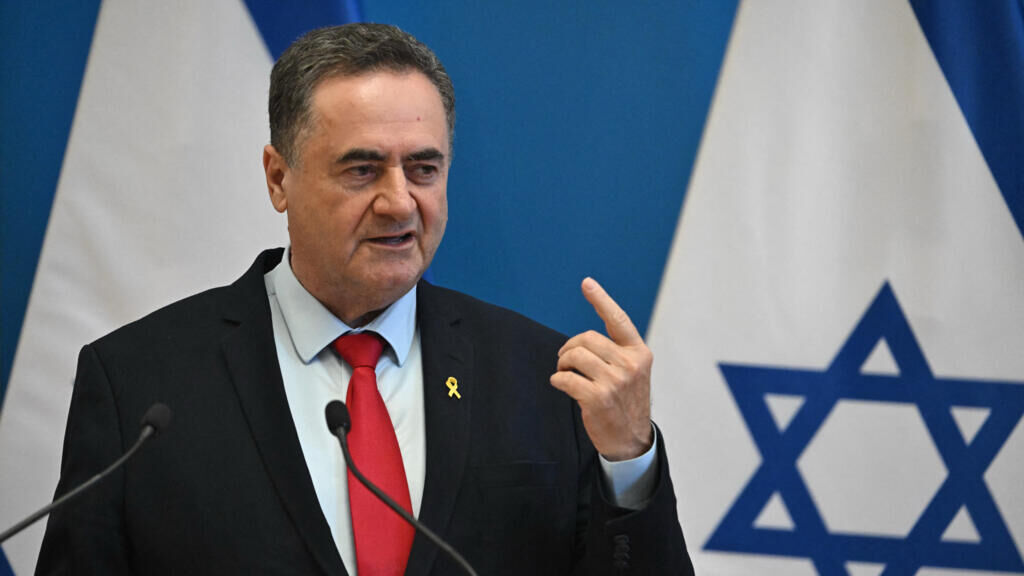
Palestine Media Agency – Pmedia – Israeli Minister of Security, Yisrael Katz, claimed that Iran is currently developing a stockpile of chemical weapons intended for use against Israeli targets and other states in the region. Though acknowledging Iran has not yet reached the capability to launch an actual attack using such weapons, Katz called the initiation of this program a serious threat.
Katz stated that Israeli intelligence has been aware of this chemical weapons program for several months. He attributed Iran’s new focus on chemical arms to lessons learned from recent military confrontations, aimed at establishing strategic balance against Israel’s military prowess.
The minister also accused Iran of plotting assassinations against former U.S. President Donald Trump, his family members, and senior officials in his administration. These claims come amid Prime Minister Benjamin Netanyahu’s efforts to rally Washington’s support for a potential new military strike on Iranian soil.
Katz warned of a possible preemptive Iranian attack to avoid suffering a third surprise strike, emphasizing the Israeli military’s high alert status in anticipation of any Iranian moves. He suggested Iran might prefer to initiate hostilities rather than waiting for Israeli or American action.
Additionally, Katz asserted that Iran is developing long-range missiles with ranges up to 4,000 kilometers, which could threaten European territories. He stressed Israel’s policy to prevent Iran from acquiring any weapons of mass destruction, chemical or nuclear, regardless of cost.
Despite these allegations, the minister admitted there has been no concrete progress on Iran’s nuclear program so far but claimed indications exist of Tehran’s intention to resume nuclear activities. He warned any future strike on Iranian nuclear facilities would set the regime back decades.
Katz referred to past Israeli attacks on Iranian nuclear sites, stating these were conducted with full U.S. approval and close military coordination. He said the use of B-2 bombers on sites like Fordow and Natanz significantly disrupted Iran’s nuclear program.
Separately, Israel’s Minister for the Negev and Galilee, Itzhak Wasserlauf, confirmed the alleged Iranian chemical threat without elaborating and criticized opposition figures for downplaying the threat due to political motives.
Contrarily, some Israeli security experts expressed skepticism about the immediate danger posed by Iran’s chemical program, noting that developing a missile-deliverable chemical warhead would take at least two years, suggesting no urgent need for an immediate military strike.
Current Israeli military assessments reportedly see no need for an attack before the formation of the new U.S. administration, conflicting with Netanyahu’s push for near-term escalation.
Intelligence reports shown by the Mossad chief to U.S. officials acknowledge early-stage chemical weapons developments but Netanyahu uses these findings to advocate openly for war against Iran.
These statements coincide with heightened concern within Israeli security circles about potential deterioration in Gulf-area tensions between U.S. and Iranian forces, which could directly affect fronts supported by Tehran across the region.
Katz concluded by claiming Iran continues to bolster Palestinian resistance groups and Hezbollah in Lebanon, while striving to regain influence and build new military capabilities in Syria to pose a continuous direct threat to Israeli security.