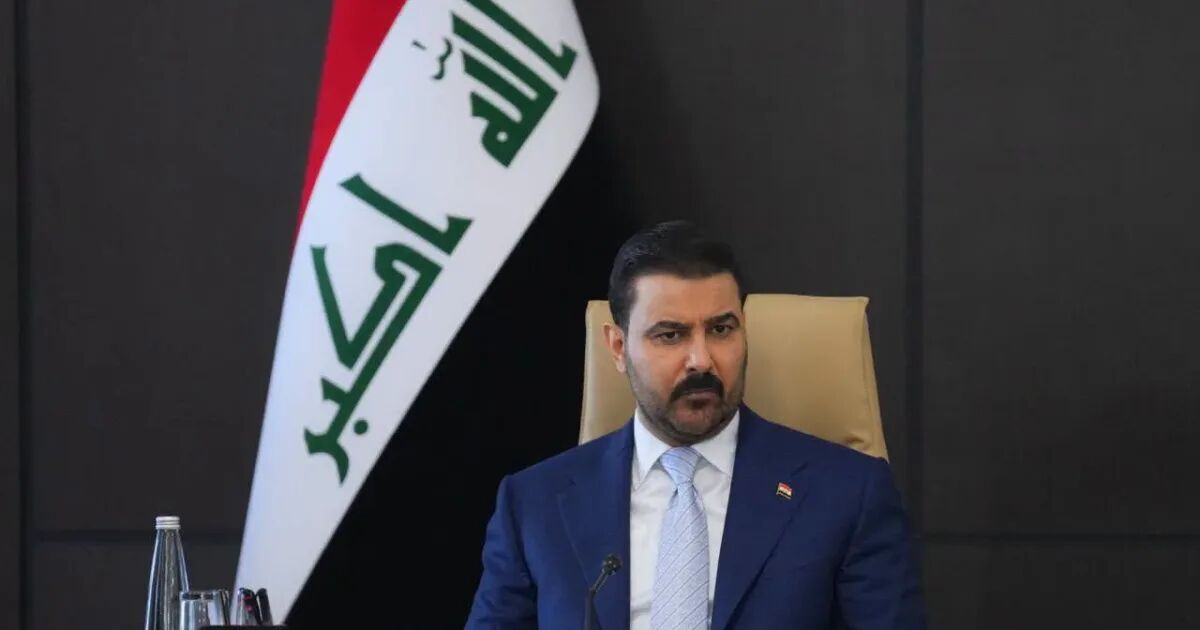
Palestine Media Agency – Pmedia – Political tensions are rising between the Iraqi federal government and the Kurdistan Regional Government as Baghdad intensifies efforts to assert control over key areas of oil management and border crossings. Prime Minister Ali al-Zaidi is leading initiatives aimed at reinforcing state sovereignty, focusing on combating financial and administrative corruption and safeguarding public assets.
On the ground, Iraqi forces entered the Jurf al-Sakhar area, previously under armed faction influence, following reports of extensive oil smuggling. The federal government also took direct control over several oil fields and border crossings formerly administered by the Kurdish region, targeting smuggling networks operating particularly in southern and border zones.
The arrest of prominent political figures in corruption-related operations underscores the government's commitment to holding all parties accountable. Observers note that the Prime Minister prioritizes Iraq’s national interest above narrow political considerations, seeking to build robust state institutions despite regional pressures.
Meanwhile, the Kurdistan Democratic Party expressed reservations about certain measures, viewing them as an overreach of the region’s constitutional powers, though it supports anti-corruption and anti-smuggling efforts. Kurdish leaders critiqued the swift constitutional court rulings on border crossings, highlighting internal divisions within the court over the decisions’ legality.
Internationally, the U.S. has welcomed Baghdad’s moves to secure borders and reduce illicit arms and goods flows, urging dialogue to resolve disputes with the Kurdish region. Conversely, Iran warned Iraq against following American policies, emphasizing the need to maintain bilateral economic cooperation.
These events unfold amid broader regional tensions, including U.S. restrictions on Iranian ports and the establishment of a special task force to disrupt arms transit routes. Analysts view Baghdad’s success in unifying financial management and border control as key to enhancing state authority but stress the necessity of balancing national sovereignty with the constitutional rights of autonomous regions to avoid deepening political and security crises.
Efforts continue to reach legal agreements between Baghdad and Erbil to resolve overlapping authorities and ensure equitable resource distribution, with political stakeholders closely monitoring potential outcomes that will shape Iraq’s stability.
The Iraqi government asserts that enforcing the rule of law, consistent with constitutional federal principles, is essential for safeguarding the country’s resources and maintaining national stability.