
Palestine Media Agency – Pmedia – The United States government’s Famine Early Warning System Network (FEWS NET) is facing a severe funding crisis threatening its continued operation. This may lead to the suspension of periodic reports that monitor food scarcity indicators and identify populations most vulnerable to humanitarian risks.
Sources reveal that over half of the network’s field staff could lose their jobs by the end of the year due to financial deficits, amid increasing food insecurity risks driven by climate change and the El Niño phenomenon, coupled with declining international aid to the poorest countries.
An emergency shutdown is expected to begin on December 1, potentially preventing the release of upcoming global food security reports. Relief agencies and policymakers heavily rely on FEWS NET’s data to determine urgent needs and direct life-saving assistance in affected regions.
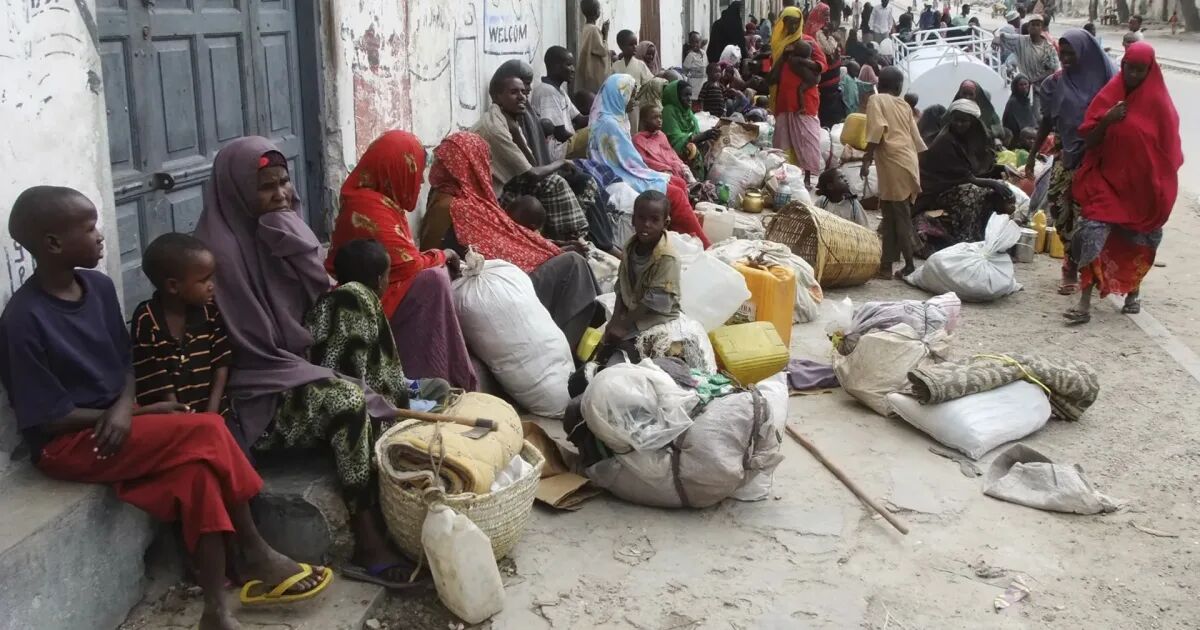
The potential halt endangers humanitarian responses in Sudan, Yemen, South Sudan, and Somalia — all facing imminent famine risks. FEWS NET’s accurate data enable proactive measures before crises escalate beyond control.
Historical experiences, such as the East African drought crises of 2011 and 2017, show that early warning systems significantly reduce mortality by issuing timely alerts and enabling pre-positioning of aid.
Without these systems, detecting famine indicators like crop failures, price hikes, and livestock deaths becomes more difficult, complicating aid prioritization and increasing human and material costs, disproportionately impacting poor families forced to cut meals or withdraw children from school.
Despite other international frameworks like the Integrated Food Security Phase Classification (IPC), FEWS NET remains a cornerstone given its extensive expertise since 1985 and its integration of climate and conflict data. Experts warn that the gap left by its closure may not be rapidly filled amid escalating crises.
Sustainable funding for such early warning networks is a global humanitarian imperative, as operational costs are minimal compared to the expensive emergency relief following famines that dismantle affected communities.