
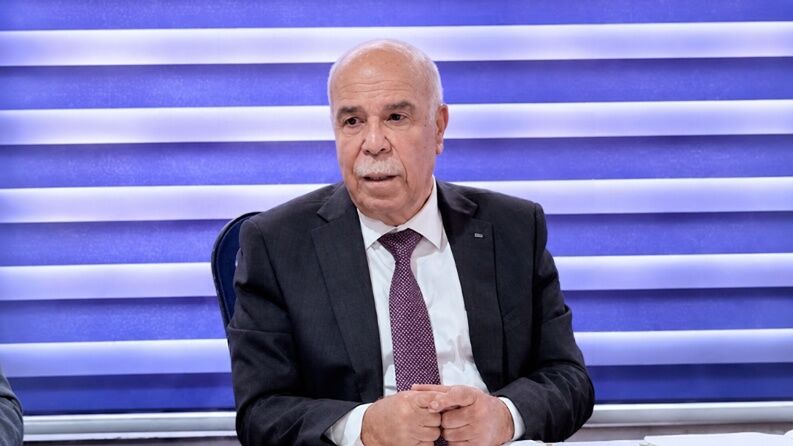
Palestine Media Agency – Pmedia – Mohammad Abdul Ghani Al-Ayoobi, President of the Supreme Judicial Council, announced the details of a general amnesty law issued by President Mahmoud Abbas, describing it as the first of its kind since the establishment of the Palestinian Authority. The amnesty covers various felonies, misdemeanors, and violations committed in the northern governorates up to early 2026, subject to specific legal conditions and exceptions.
Al-Ayoobi explained that the law was enacted in response to the exceptional economic and social conditions faced by the Palestinian people, particularly the impacts of the COVID-19 pandemic and the comprehensive Israeli military offensive on Gaza, as well as movement restrictions imposed by the occupying authorities that hampered citizens’ access to courts.
The amnesty aims to promote societal reconciliation and resolve longstanding legal disputes, offering beneficiaries a chance to restore their professional and social lives. It also seeks to alleviate the heavy caseload burden on courts and public prosecution, enabling focus on more serious cases for prompt justice.
The amnesty applies at all stages of criminal proceedings, legally nullifying the criminal status of actions and canceling original and ancillary penalties, including waiving outstanding fines and court fees. However, it excludes serious crimes such as those against state security, intentional murder, rape, corruption, and money laundering.
For certain crimes like traffic fatalities, the law requires the personal right of the victims or their families to be waived to qualify for amnesty. The judiciary respects individuals’ sovereign decisions to uphold or relinquish their rights, while civil rights such as claims for financial compensation and restitution remain intact.
Following enactment, competent courts and public prosecution began applying the law, including dismissing ongoing investigations and terminating pending cases. Immediate releases were ordered for detainees and convicts covered by the law, provided they are not linked to other offenses.
Al-Ayoobi concluded by emphasizing that the general amnesty aligns with human dignity principles and offers offenders a second chance to rebuild their lives and contribute to society, with the broader goal of fostering comprehensive societal recovery amid the ongoing challenges of occupation.