
A research study by analyst Yasser Manaa provides an in-depth examination of the Israeli military operation conducted in Hebron city in southern West Bank between late October and early November 2026. The study reveals a clear overlap between security considerations and electoral political calculations in the decision to continue the offensive, which targeted Palestinian residential neighborhoods following an attack that killed two Israeli soldiers.
The study indicates that the military operation went beyond the stated security objectives, as Israeli forces persisted despite military leadership assessments that the goals had been achieved after only two days. The researcher links the continuation of the aggression to the timing of Israeli elections, with Prime Minister Benjamin Netanyahu seeking to leverage military force for electoral gains and to consolidate control over Palestinian urban spaces.
Detailed in the study are the imposition of a sweeping military siege on Hebron and Halhul, and collective punitive measures that displaced over 3,361 Palestinians forcibly. The offensive included the demolition of 15 homes, deliberate destruction of infrastructure, and massive financial losses exceeding six million shekels. Thousands of families faced movement restrictions and displacement during the 11-day siege.
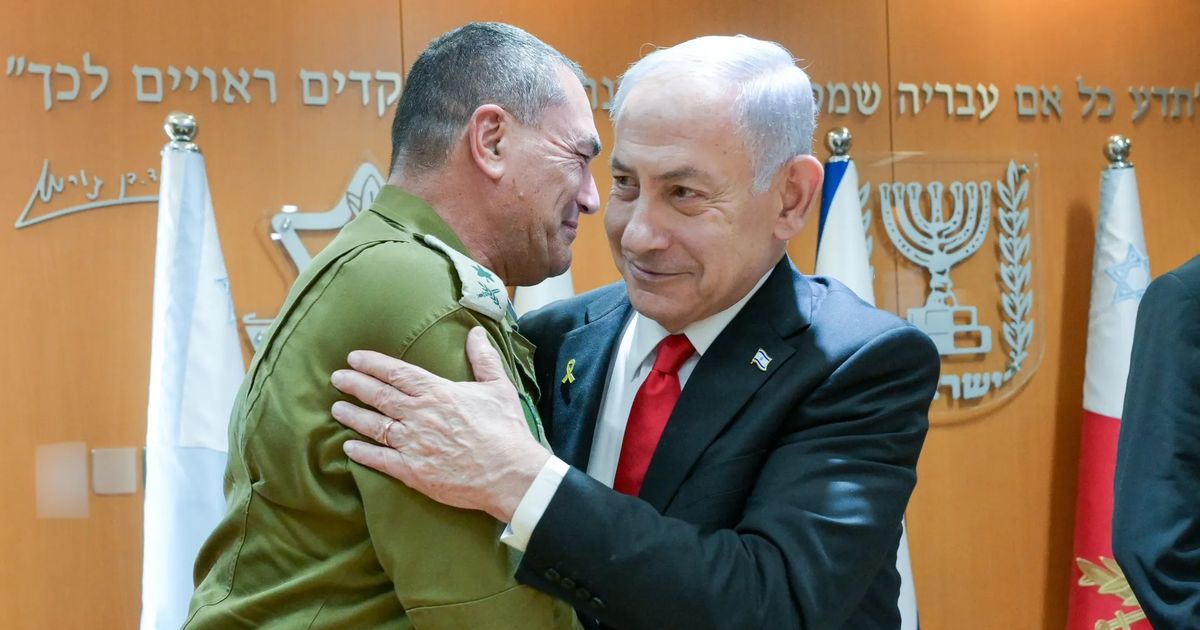
The study also highlights internal conflicts within the Israeli leadership, between Prime Minister Netanyahu and Finance Minister Betzalel Smotrich on one side, and Chief of Staff Eyal Zamir on the other, who advocated ending the operation early due to lack of operational benefit. This conflict underscores the mixing of political agendas with professional military recommendations.
Furthermore, the study documents the exploitation of security conditions to advance pre-planned settlement and urban expansion schemes, including the demolition of a residential building in the Farsh al-Hawa neighborhood despite a High Court injunction, and announcements of new settlement outposts in southern Hebron hills. It emphasizes the Palestinian Authority's limited ability to protect residents in nominally controlled Area A and highlights the role of local institutions and popular initiatives in supporting displaced families and bolstering resilience.
Concluding, the study outlines three possible futures for Hebron: the continuation of limited incursions, repeated collective punitive campaigns, or large-scale displacement similar to models seen in northern West Bank. It warns that these Israeli policies aim ultimately to weaken Palestinian permanence and facilitate full control over the city and surrounding areas.