
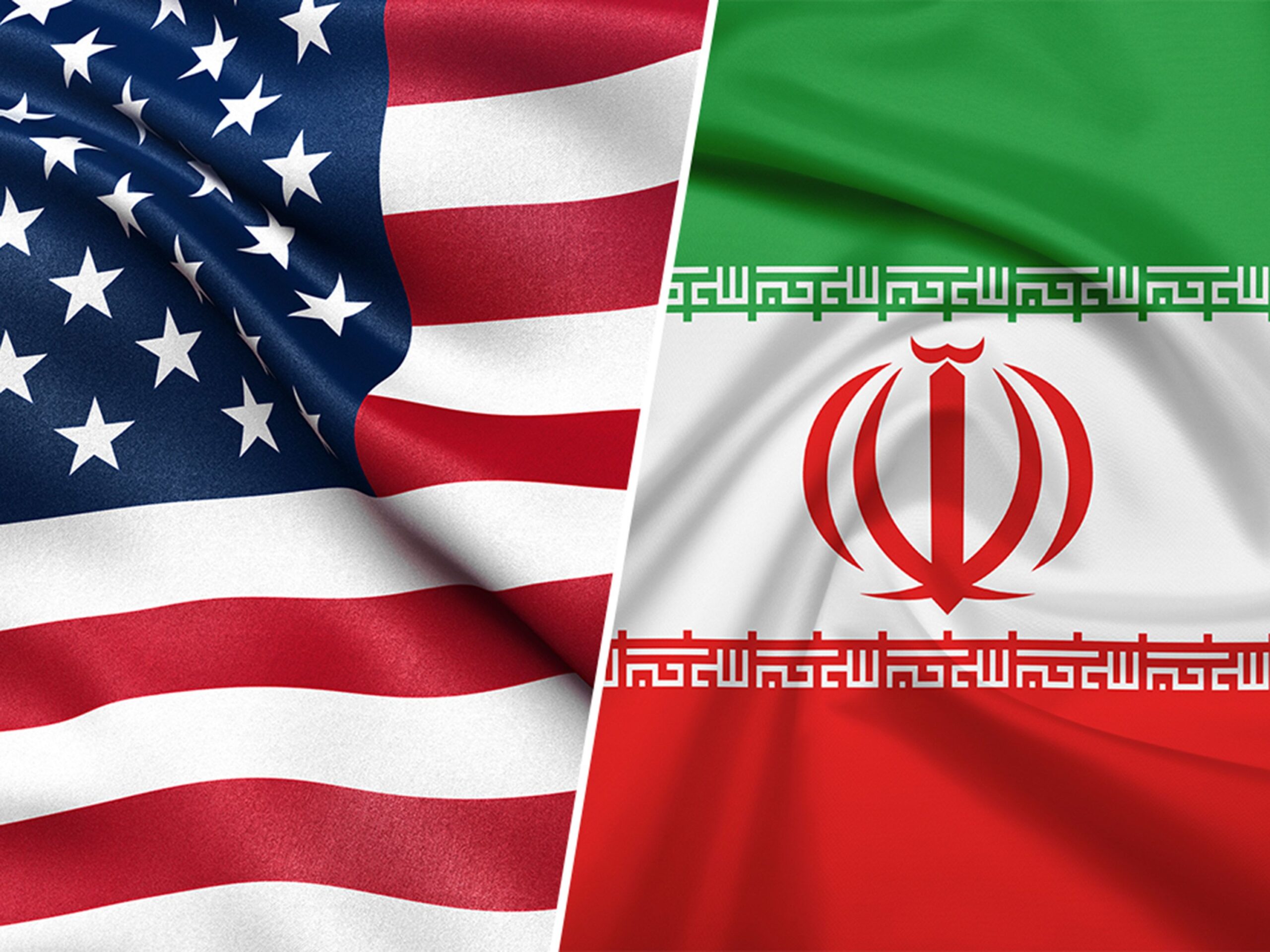
The region faces heightened uncertainty due to contradictory statements by US President Donald Trump concerning Iran, alternating between military threats and indications of negotiation progress. This strategic ambiguity keeps Tehran in a continuous state of alert while aiming to extract concessions in nuclear, military, and regional files.
Political analysts and academics interpret this approach as an American tactic to deploy maximum pressure on Iran, calibrated in tandem with domestic political dynamics, notably the Republican loss of the Congressional majority. The strategy also integrates economic and commercial interests, leveraging fluctuating remarks that influence global oil and stock markets to gain financial advantages.
Dr. Hussein Al-Deek highlights that the region stands at a critical juncture, with the US and Israel poised for a possible military strike targeting both military and civilian facilities, including nuclear enrichment centers and critical infrastructure.
Dr. Omar Rahal notes that Trump's erratic declarations reflect a personalized decision-making style aiming to assert control over conflict dynamics, especially after electoral setbacks.
Dr. Saad Nemer points to political and military uncertainties complicating the US stance, warning that military action might worsen the situation, while Dr. Reham Ouda emphasizes the economic dimensions where Trump's statements serve commercial interests.
Dr. Aql Salah describes the psychological and media pressure tactics used to achieve geopolitical and economic gains without engaging in extensive warfare which could disrupt global markets.
Dr. Hosni Shilo interprets the policy as combining threats with open diplomatic channels to unsettle Iran and compel concessions, constrained by internal US political and economic limitations after Congressional losses.
Overall, the US strategy toward Iran hinges on a blend of escalating threats and tactical easing, leaving open possibilities for military confrontation or diplomatic negotiations. This sophisticated approach reflects intertwined political, economic, and domestic pressures shaping Washington's regional policy.