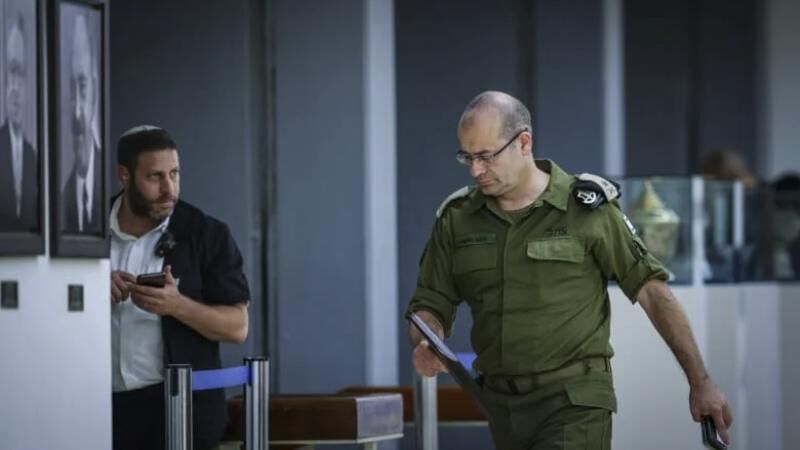
Ronen Gophman, head of Israel's Mossad, arrived in Washington to engage in intensive talks with senior U.S. officials as part of Prime Minister Benjamin Netanyahu's efforts to persuade the U.S. administration to resume direct military operations against Tehran.
Gophman met with CIA Director John Ratcliffe and is scheduled to meet White House envoy Steve Witkoff in Miami. These meetings occur amid Netanyahu's attempts to shift the current American stance, which opposes a return to the military option. U.S. President Donald Trump prefers ongoing naval blockades and maximum economic pressure.
This diplomatic activity coincides with international warnings from the International Atomic Energy Agency (IAEA) about inspectors facing significant difficulty accessing critical Iranian nuclear facilities previously targeted by attacks, hampering verification efforts.
Within Israel, sharp divisions exist among political and security institutions regarding the feasibility and timing of a new military strike. Chief of Staff Eyal Zamir opposes an immediate attack, while Netanyahu and heads of intelligence agencies advocate for escalation.
The Israeli delegation is presenting intelligence alleging increased Iranian missile production, now reaching approximately 50 missiles monthly, removal of missile range limits, and classified information on military nuclear advancements.
Conversely, U.S. Secretary of State Marco Rubio reaffirmed that the U.S. currently sees no need for additional military action, emphasizing that economic pressures have significantly weakened Iran, making military options unnecessary.
Regionally, military movements have intensified. The U.S. Fifth Fleet commander recently visited Israel, focusing on naval coordination, while the U.S. Central Command intercepted two drones launched by Iran's Revolutionary Guard toward Bahrain. The Guard retaliated by targeting an early warning radar in Bahrain following attacks on Iranian communication sites.
Attention now turns to a potential trilateral summit between Trump and the presidents of China and Russia, with the Iran file expected to dominate discussions as the U.S. cautiously navigates competing interests in the Middle East amid risks of broader conflict.
From Palestine to the world
Mossad Chief Visits Washington to Push for Military Escalation Against Iran Amid Israeli Divisions