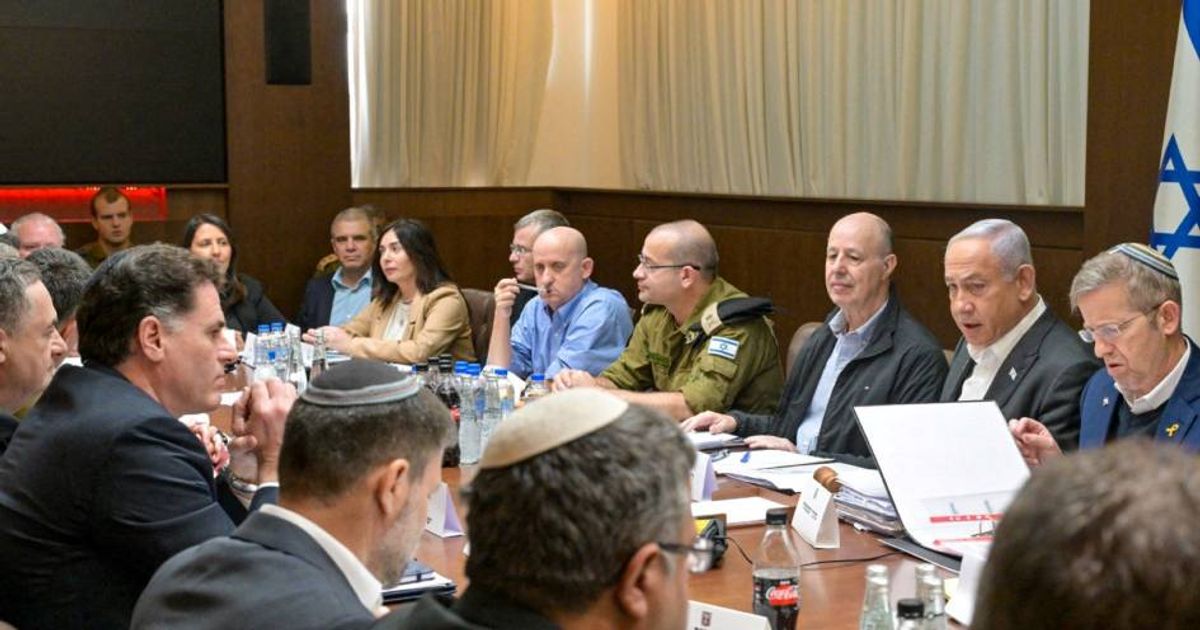
Palestine Media Agency – Pmedia – The occupation government's mini-cabinet witnessed sharp debates over the possibility of launching a military attack on Iran, with divergent views among political and security leaders regarding the timing of the operation. The disagreement centered on whether the occupation army should initiate the strike unilaterally or wait for full coordination with the U.S. administration. The head of Mossad pushed for an immediate strike based on intelligence reports about developments in Iran’s weapons programs, with support from Prime Minister Benjamin Netanyahu.
Conversely, the Chief of Staff expressed reservations about a unilateral attack, preferring coordination with Washington to secure necessary logistical and military support. He affirmed the army would attack alone only if facing an imminent existential threat. The ministers agreed to continue military operations in Lebanon, issuing directives for intensified attacks on resistance capabilities, coinciding with intensive air raids by occupation forces targeting southern Lebanon.
This comes amid the deployment of air defense systems and reliance on military intelligence to manage the conflict, while Netanyahu continues to use military threats as political leverage. Concerned about potential security escalations during Netanyahu's final days in power, coalition formation chief Gadi Eisenkot accelerated coalition negotiations to prevent possible crises.
Internal disagreements persist among parties over recruitment plans and alliances, while the United Arab List waits to confirm its government stance pending responsiveness to Arab community issues. Avigdor Lieberman accused Netanyahu of obstructing the formation of a change government by creating political and security crises. Observers see military threats against Iran and Lebanon as political maneuvering amid tightening pressures and escalating tensions in Tel Aviv.
Attention turns to the coming week, which may bring either the announcement of a new government or unprecedented political and security escalations amid ongoing occupation airstrikes on Lebanon and sustained threats against Iranian facilities.