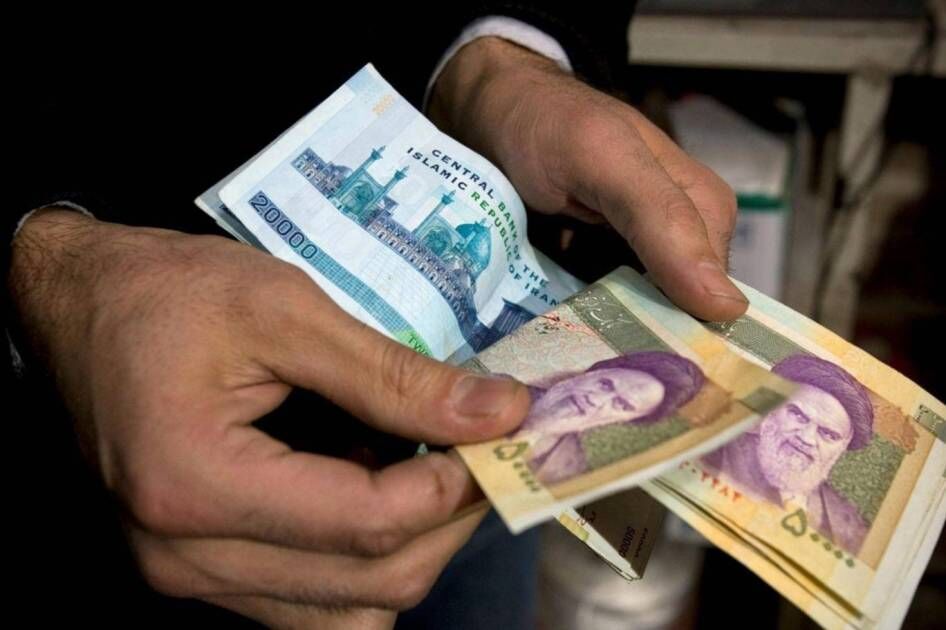
Palestine Media Agency – Pmedia – The Iranian rial has experienced a historic collapse against foreign currencies, with the US dollar reaching a record 296,500 toman in the free market, approaching the symbolic 300,000 toman level. This sharp fall followed reports of a large influx of US dollars from an unnamed neighboring country.
The steep devaluation has drastically reduced the purchasing power of Iranian citizens, with the minimum monthly wage now equivalent to approximately 56 US dollars. Other major currencies, including the euro, British pound, Turkish lira, UAE dirham, and Chinese yuan, also recorded significant increases against the rial.
Gold prices surged as well, with the price of the “Sekkeh Emami” gold coin exceeding 267 million toman, which is more than sixteen times the basic monthly wage.
Economic comparisons show the Iranian minimum wage is about a tenth of Turkey’s and less than a third of Iraq’s, highlighting a severe income erosion. US sanctions targeting currency exchange networks have further restricted access to foreign currency.
Inflation has skyrocketed, particularly affecting food and beverage prices, where sectors have seen annual inflation surpassing 113%, forcing many families to rely on installment purchasing and cut back on healthcare and education expenditures.
Healthcare costs have surged sharply; for instance, chemotherapy treatment costs for cancer patients increased tenfold over two years, placing a heavy strain on affected families.
The automotive, household appliances, and real estate markets have also experienced steep price hikes, disrupting normal living standards.
Observers warn that ongoing political and economic tensions may exacerbate the currency crisis and deepen poverty, threatening social and economic stability in Iran.