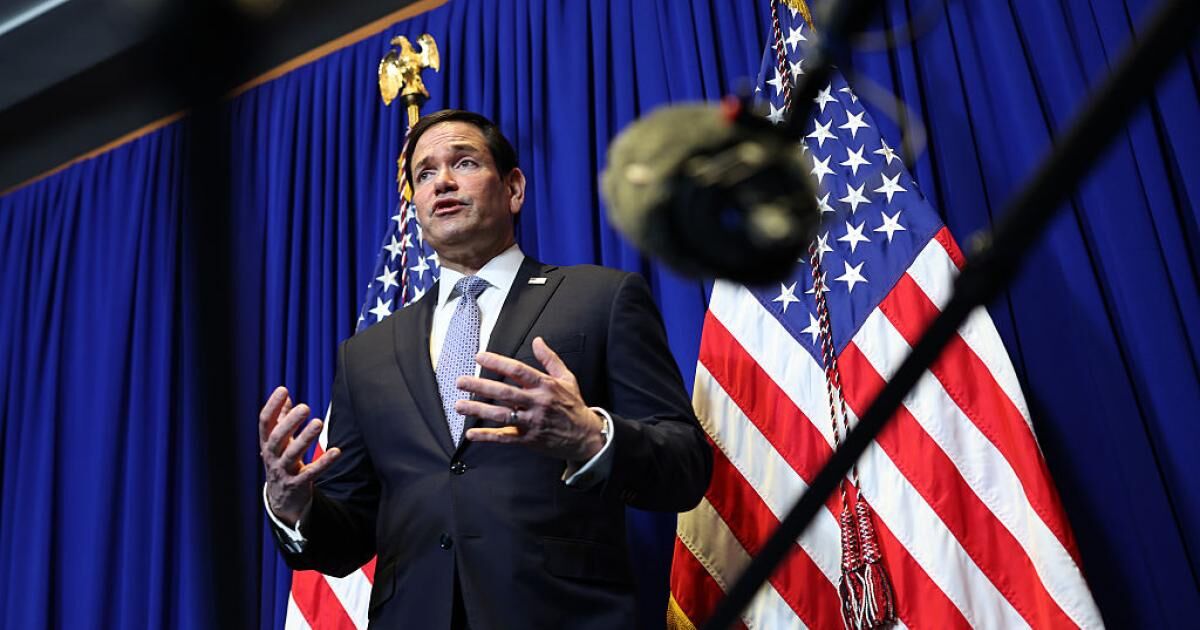
U.S. Secretary of State Marco Rubio declared that he does not foresee an imminent threat targeting Washington, D.C., responding to media reports based on intelligence assessments suggesting a potential Iranian attack using a so-called dirty bomb. Rubio emphasized that security agencies are closely monitoring the situation and that the U.S. government remains on constant alert for any threats to national safety.
Contrasting Rubio's remarks, President Donald Trump adopted a more cautious stance, affirming that the United States takes such threats seriously and that authorities are investigating alleged Iranian plots to ensure full preparedness. Trump warned that any genuine threat would be met with a severe and unprecedented response.
Meanwhile, the Iranian Foreign Ministry categorically denied the allegations, describing them as baseless claims intended to escalate tensions amid the region's fragile conditions. Iranian Foreign Minister Abbas Araghchi condemned reports alleging Iranian use of chemical weapons or dirty bombs as nonsense and misleading propaganda aimed at provoking a wider conflict.
Earlier intelligence reports from U.S. officials suggested Tehran was preparing a radioactive bombing targeting officials in Washington, causing radiological contamination and widespread panic. Other reports claimed Iran utilized dams to support military facilities, although no conclusive evidence was provided to substantiate these intelligence estimates.
A dirty bomb is defined as a weapon that disperses radioactive material over a broad area through conventional explosives, posing major risks in terms of long-term radiation contamination and social and economic disruption in major cities. These developments occur amid ongoing military confrontations between the U.S. and Iran, with diplomatic channels in Amman and Doha working to de-escalate tensions following clashes that began in late February.
The current conflict has involved attacks resulting in thousands of casualties and extensive infrastructure damage across Iran and Lebanon, including targeted strikes on Iranian political and military leaders, exacerbating fears of a broader regional war.