
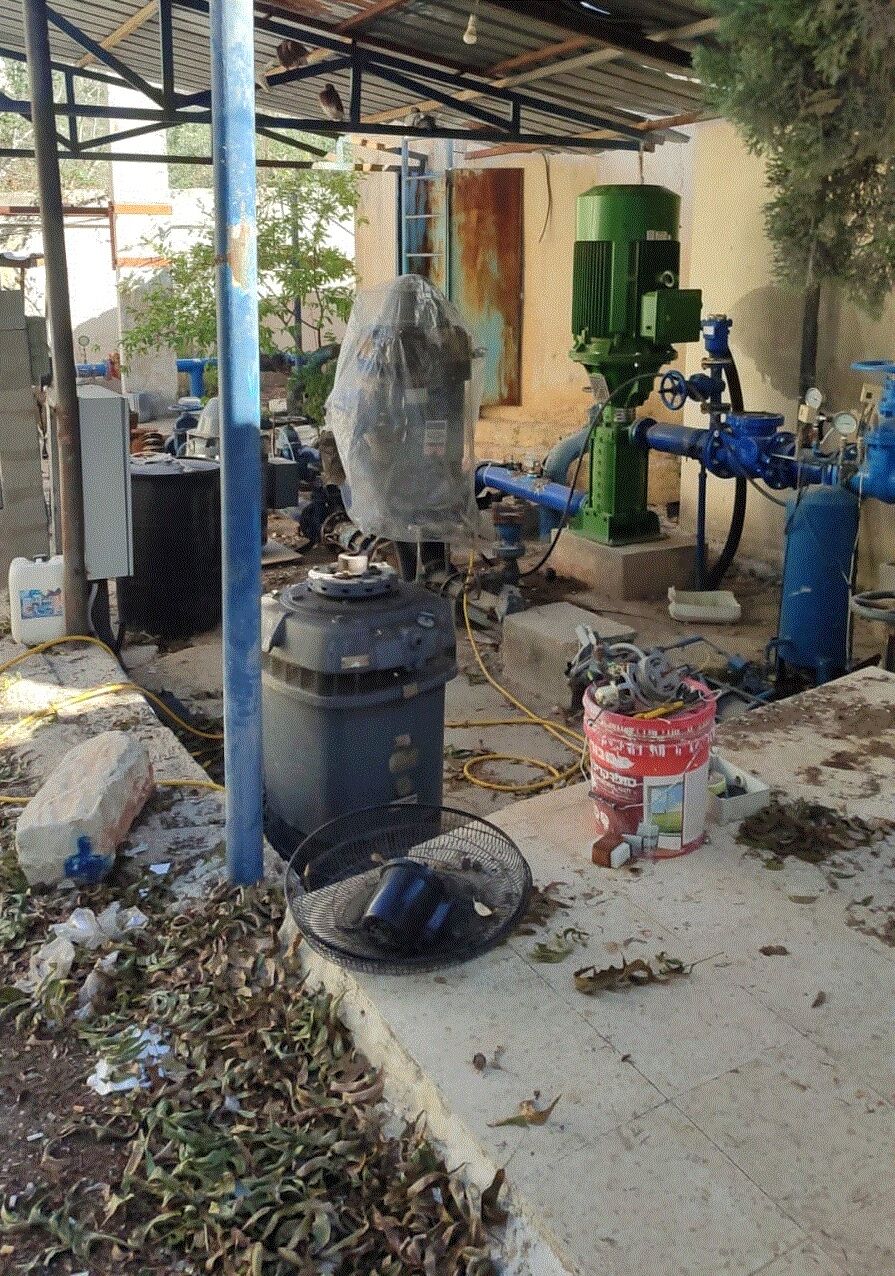
The town of Bila is facing a severe water crisis following notification by Israeli occupation authorities to the Palestinian side about the decision to stop pumping water from the old well and threaten its permanent closure. This arbitrary measure reduces the town's water sources from two wells to one, placing the lives of over 10,000 residents and around 2,000 displaced persons from Tulkarem and Nour Shams camps at risk.
Tarik Ameir, head of Bila Municipality, explained that an emergency meeting was held where they decided to dismantle the old well's pump and close it preemptively to avoid forced closure or sabotage by occupation forces. The remaining well does not meet the town's minimum water needs, leading to acute shortages that forced residents to buy water tankers at high prices.
The municipality implemented a rotation system where each area receives water every three days, but low water pressure has prevented delivery to elevated and distant neighborhoods. To cope, the municipality halted new water subscriptions for agriculture and stopped supplying water to uncultivated lands. Water prices were also raised after consumption passes a certain limit to encourage conservation.
Ameir warned of severe repercussions on the agricultural sector, a critical pillar of the local economy, stating that rising costs may cause farmers to abandon their lands. The crisis threatens the commercial, industrial, and tourism sectors, endangering the overall economic stability of the region.
Efforts are underway in collaboration with the Water Authority and Ministry of Local Government to pressure the occupation to revoke its decision, including legal measures through hired attorneys. Purchasing water from neighboring towns remains an option but faces logistical, financial, and approval obstacles.
Ameir called on residents to unite, understand the emergency measures, and conserve water without hoarding. He affirmed the steadfastness of Bila's people on their land and rights to water, urging official agencies to intensify efforts to guarantee Palestinian citizens' access to water sources.