
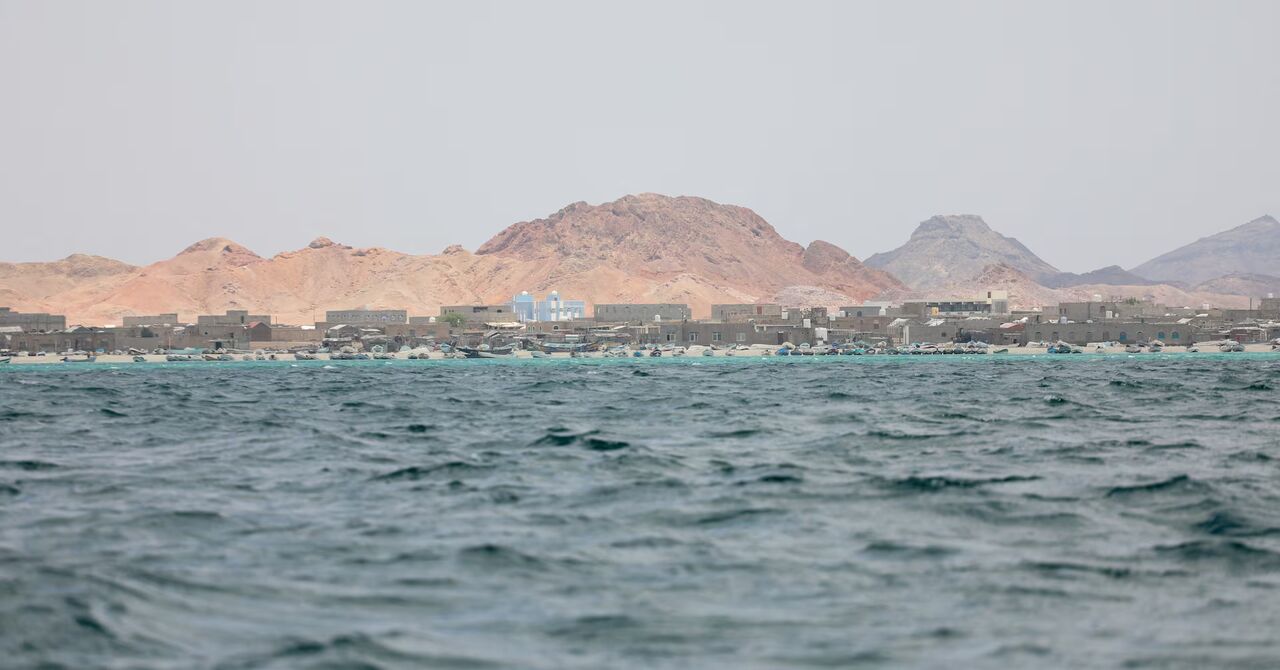
Pro-government Yemeni forces internationally recognized have announced a military repositioning along the strategic Bab al-Mandab Strait, following a flanking maneuver executed by the Houthi movement behind their lines, resulting in a new military reality in the area.
The government forces' withdrawal from locations surrounding this vital maritime passage grants the Houthis increased capability to control international maritime navigation, raising concerns over global trade flow through this key strait connecting continents. Bab al-Mandab is one of the busiest and most significant waterways worldwide, serving as a crucial transit for goods between Asia and Europe via the Suez Canal.
The Southern Armed Forces declared they are relocating units from Dhubab Airport and the Bab al-Mandab region to Aden city, aiming to bolster defenses around the temporary capital and adjacent areas. This step is part of securing the southern provinces amid rising threats posed by the ongoing Houthi military escalation. The Houthis currently control most northern Yemen including the capital Sanaa and are seeking to expand southward into government-held territories.
In recent months, clashes intensified as government forces initiated an October campaign to regain control over strategic coastal zones in response to Houthi advances that brought them perilously close to the strait before the government repositioning. This development highlights the fragility of the 2022 UN-mediated truce and opens the door to wider regional and international conflicts, especially given the Houthis' persistent missile and drone attacks on vital Saudi installations, a key Yemeni government ally.
The attacks affected Saudi oil facilities including the port of Yanbu on the Red Sea, disrupting energy supplies and air navigation, prompting Saudi retaliatory airstrikes targeting Houthi military sites and arms depots across Yemen. Meanwhile, the humanitarian crisis worsens as the conflict, ongoing since 2014, severely impacts the city of Taiz, which remains under siege, restricting aid access and civilian movement, with significant internal displacement and critical shortages of food and medicine.