
Palestine Media Agency – Pmedia – The Israeli government’s smaller ministerial cabinet, known as the "kabinett," is scheduled to meet on Sunday to approve executive measures related to U.S. President Donald Trump's plan concerning the Gaza Strip. Sources indicated that Prime Minister Benjamin Netanyahu had conducted limited consultations after canceling a broader meeting, pointing to the sensitive timing amid American pressure to advance agreed arrangements.
Estimates suggest that Israeli authorities could officially approve the plan within the coming days, with a timetable to complete field preparations within a month. The proposed vision includes deploying a multinational force to Gaza at the beginning of 2027 to be stationed at specific geographic areas along the so-called “yellow line” as part of new security arrangements promoted by Washington.
An initial trial phase is expected for a project termed “Green Rafah” by the Israeli side, aiming to establish designated “humanitarian zones” for Gaza residents outside the control of Palestinian resistance factions. Earlier reports revealed political-level approval for reconstruction plans to establish this neighborhood east of Rafah city, as part of efforts to change the administrative and security reality in the area.
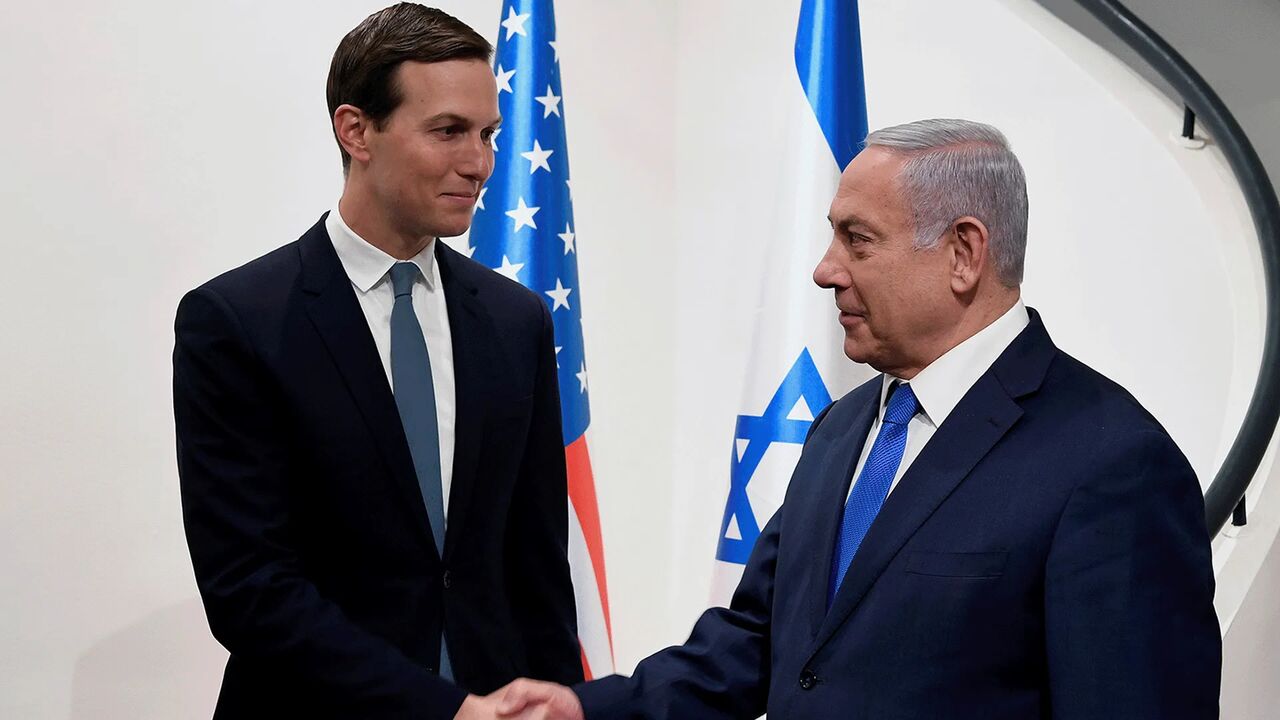
These moves followed a phone call from U.S. envoy Jared Kushner to Netanyahu urging acceleration of the agreed measures. Kushner later emphasized that ending the war requires diplomatic and economic approaches, urging Israeli authorities to move beyond continuous confrontation and focus on stability pathways supported by the U.S. administration.
Washington seeks through these pressures to push Israel to agree to deploy international stabilization forces, train thousands of Palestinian police in Egypt, and introduce temporary housing for displaced persons. The plan also envisages activating a Palestinian technocratic committee in southern Gaza to undertake administrative and service tasks under international supervision, aligned with scheduled phases for Israeli withdrawal.
Despite more than a year since the initiative launch and a UN Security Council resolution supporting it, Israeli forces continue violating agreements with daily attacks and a tight siege. The occupation imposes strict restrictions on humanitarian aid and shelter materials entering Gaza, worsening the catastrophic living conditions for Palestinians facing harsh winter challenges.
Palestinian and international actors accuse the Israeli government of shirking commitments and obstructing the transition to gradual withdrawal phases and national administration empowerment. International reports hold Israel fully responsible for impeding relief deliveries, noting that deliberate obstacles have sabotaged arrangements for administrative transfers and defused the escalating humanitarian crisis throughout Gaza.
In light of ongoing delays, local Gaza sources warn of an imminent humanitarian disaster threatening over one million displaced people living in dilapidated tents that offer no protection against cold or rain. They note that continued bans on construction and repair materials place hundreds of thousands of families directly at risk of drowning and cold, while the occupation continues to use aid as a political pressure tool.