
Palestine Media Agency – Pmedia – UNESCO, in partnership with the European Union, has launched a new program named “Shamel” aimed at safeguarding Yemen’s cultural heritage and enhancing local communities’ resilience to climate change. With a budget of 10 million euros, the initiative will initially focus on the governorates of Aden and Hadramout over 30 months, employing local knowledge and traditional architecture to address environmental threats, while promoting creative and cultural industries as a tool for economic recovery.
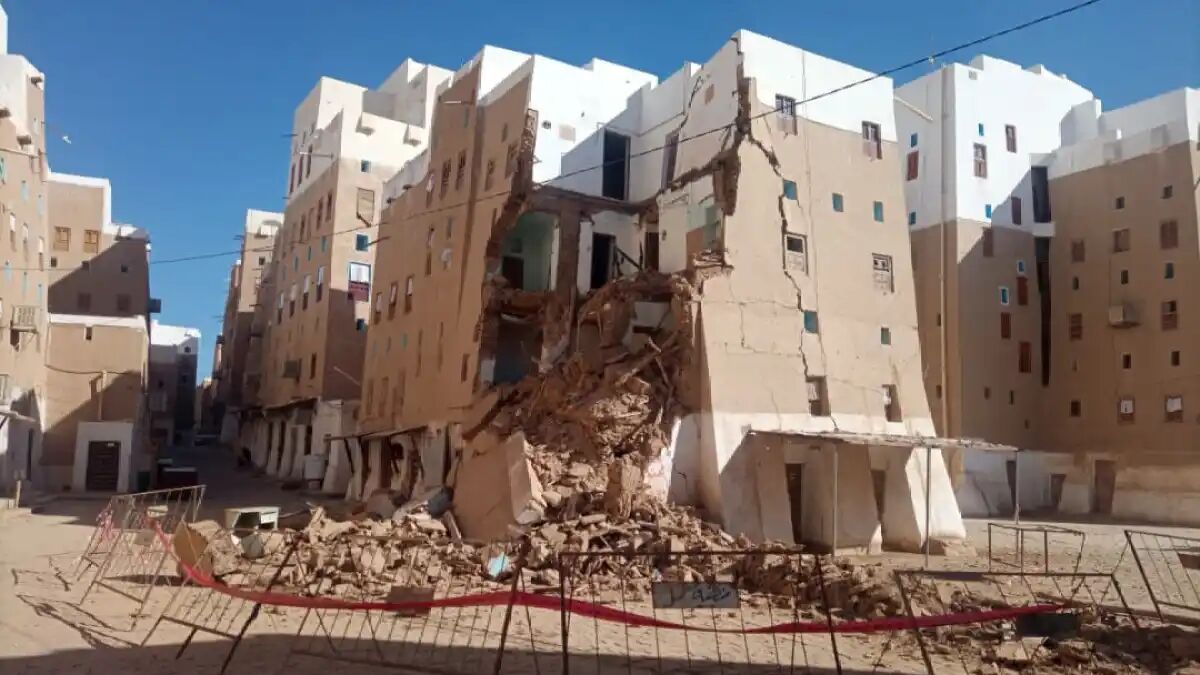
The project responds to the severe threats faced by Yemen’s historic sites due to prolonged conflict, neglect, heavy rains, floods, and looting. A key component is the rehabilitation of the historical “Sahariq Al-Tawila” water reservoirs in Aden to improve rainwater management and reduce flood risks, demonstrating the relevance of traditional Yemeni engineering solutions.
Challenges also include illegal excavations and smuggling of artifacts. To ensure sustainable heritage protection and community benefit, the program will train 150 practitioners, including women (half of the trainees), in crafts, cinema, and music. This builds on prior EU-UN efforts (2018-2026) that created over 11,000 jobs and restored more than 900 heritage buildings.
Experts emphasize the need for a comprehensive national plan extending beyond the current focus to other governorates like Marib and Al Hudaydah, that face urgent conservation needs. Yemen’s Culture and Tourism Minister, Muttaiʿ Dammaj, welcomed the initiative, highlighting that combining capacity building with craft support will strengthen the local economy and preserve Yemen’s millennia-old heritage.
The success of these efforts depends heavily on political and security stability to provide safe working conditions for restoration teams and experts. Protecting Yemeni heritage is thus not merely a technical task but a national imperative to preserve collective memory and leverage cultural legacy as a foundation for sustainable development amid ongoing crises.