
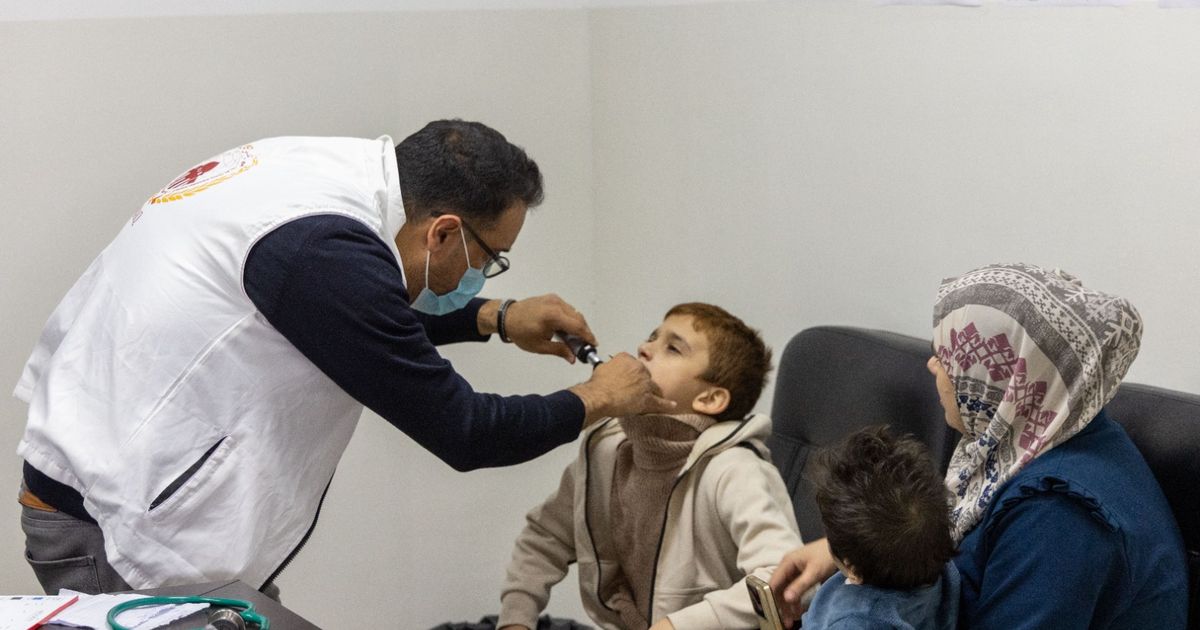
The Beit Mal Al-Quds Agency organized a free medical campaign in the town of Hizma, northeast of Jerusalem, providing comprehensive medical services to citizens. This initiative significantly reduced the burden of traveling to distant medical centers and the high costs of treatment amid difficult economic conditions.
Citizen Khadija Salahat benefited from diabetes and eye examinations and expressed gratitude to the Kingdom of Morocco for its support of such initiatives offered to residents for over a year.
Jamal Al-Omari, deputy mayor of Hizma, stated that the campaign comes at a time of high unemployment and limited income sources, making medical expenses an additional burden on families. He emphasized that providing free health services within communities facilitates citizens’ health follow-up without the financial strain of transportation and expensive tests.
From a medical perspective, Dr. Fadi Banoura noted the medical team relies on clinical and laboratory examinations for accurate diagnosis. The campaign identified children needing specialized dermatology and orthopedic follow-ups and referred them appropriately. Free medications were also distributed through support from pharmaceutical companies to alleviate patients’ financial burdens.
Beneficiary Mahdia Salem Aisha Abu Khalil praised the campaign for the kidney, diabetes, and eye tests she received.
This campaign is part of the second phase of free medical campaigns launched in October from Biddou, northwest of Jerusalem, benefiting approximately 1,250 people across several towns in the Jerusalem governorate.
These initiatives cover pediatrics, internal medicine, gynecology, obstetrics, and ophthalmology, implemented with support from Morocco’s Akdital Health Group and Astra Lab laboratories. The second phase follows an earlier campaign in 2023 that served 2,500 citizens and referred more than 100 cases to hospitals for further treatment.
These campaigns highlight the ongoing support provided by King Mohammed VI and the Kingdom of Morocco to the Palestinian people in healthcare and community service, especially in areas facing difficulties accessing medical services.