
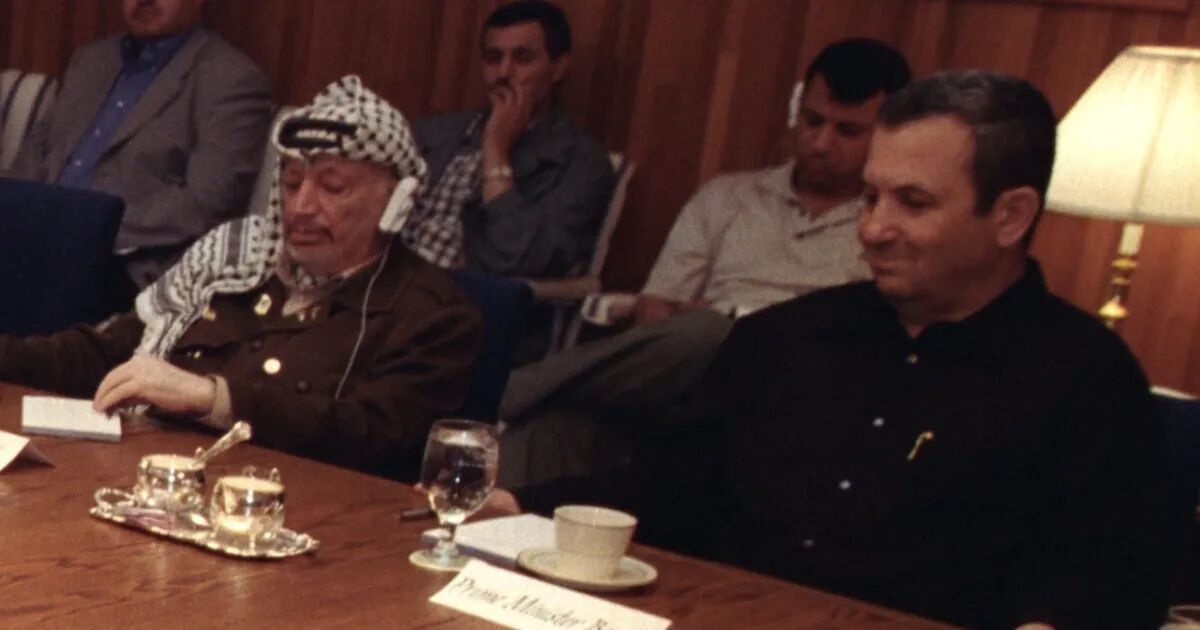
Archival testimonies have revealed critical moments during the 2000 Camp David summit, specifically regarding the contentious "Jerusalem Paper" proposed by the United States, which Palestinian President Yasser Arafat vehemently rejected.
The incident unfolded when Saeb Erekat, then head of the Palestinian negotiating team, translated the American proposal for Arafat late at night. Arafat violently snatched the paper from Erekat's hand and threw it on the ground, signaling his firm rejection of what he deemed a diminution of Palestinian rights, demanding an immediate meeting with U.S. President Bill Clinton.
Robert Malley, Clinton’s aide, explained that the paper was intended as a negotiating framework to facilitate dialogue and revisions. However, it was withdrawn after both Palestinian and Israeli parties rejected it for differing reasons.
Former U.S. envoy Dennis Ross noted a shift in the paper's format, incorporating positions from both sides in brackets, distinguishing occupation and Palestinian stands. This adjustment, influenced by Israeli Prime Minister Ehud Barak’s suggestions, raised Palestinian suspicions of prior coordination between Washington and the Israeli side.
Arafat sought to discuss the proposal's implications with Secretary of State Madeleine Albright, while Erekat and Ahmed Qurei underscored the paper’s contradictions with previous U.S. promises. Ross later regretted his handling, recognizing he conveyed to Palestinians they were not obliged to accept the proposal.
Israeli representatives also objected to parts addressing refugees and borders. Testimonies from Shlomo Ben Ami, Israel’s then interior minister, accused Americans of adding their own touches to Israeli proposals.
Eventually, Barak requested Clinton officially withdraw the paper, who agreed and communicated this to Arafat, who welcomed the decision. This step effectively ended U.S. mediation control, making it vulnerable to pressures from both sides.
Senior U.S. adviser Aaron David Miller sharply criticized the summit, considering it ended effectively on the fourth day after U.S. negotiators lost command over the text and compromised the fairness of negotiations by allowing Israeli modifications.
Comparisons were drawn with the stricter methodology of the 1978 Camp David summit, led by President Jimmy Carter, contrasting the chaotic 2000 summit that failed to produce a unified negotiating text, exacerbating disputes over core issues like Jerusalem and the right of return.
These historical accounts, backed by archival visual material and participants’ memoirs, reveal intense political maneuvering and pivotal human moments behind closed doors. The image of "the paper thrown on the floor" remains emblematic of the Palestinian leadership's steadfastness in safeguarding national principles against attempts to marginalize their cause.
Analyzing these details provides deeper insights into the dynamics of the Arab-Israeli conflict management and the American role during the 2000 Camp David negotiations.